
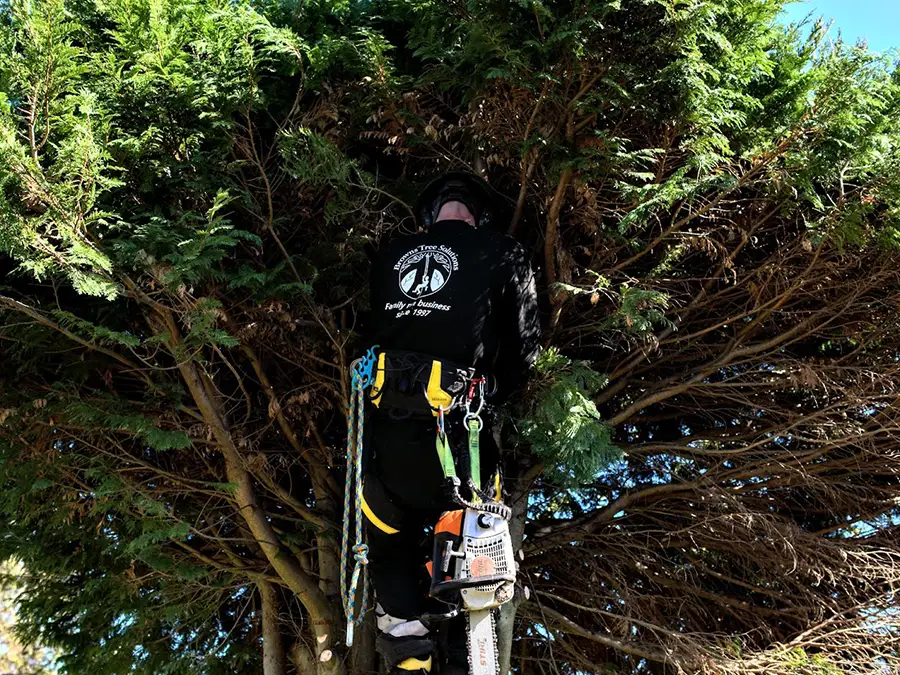
Every January I hear the same question, “Is it nesting season yet, and does that mean I can’t touch my trees and hedges?”
It’s a fair question. Gardens start waking up, birds get busy, and nobody wants to be the person who accidentally damages a nest.

But this year the timing matters even more, because the RSPB Big Garden Birdwatch has just taken place (23–25 January 2026).
If you joined in, brilliant. If you didn’t, you’ve still got something useful you can do right now, because Birdwatch weekend is a reminder of a simple truth:
Your hedge is not “just a hedge”. For a robin, wren, blackbird or sparrow it can be shelter, food, a boundary, and very soon, a nursery.
What “nesting season” actually means in a UK garden
In most UK gardens, the main nesting period typically runs from around March to August, with some species starting earlier if the weather is mild.
That matters because trees, hedges, ivy, climbers, and dense shrubs are some of the most common nesting spots in a typical garden.
So yes, your hedge might be “just a hedge” to you, but to a robin or wren it can be a nursery, a hiding place, and a food base, all in one.
Why it’s so important, and not just for “bird lovers”
Two reasons.
First, nesting success shapes the birdlife you get year after year. If nesting sites are repeatedly disturbed, birds may abandon nests and fail to rear chicks successfully. Over time that changes what a neighbourhood feels like, less birdsong, fewer familiar garden visitors.
Second, from a homeowner’s point of view, spring and summer is when rushed garden work causes the most frustration. You get stop starts, postponements, repeat visits, and messy outcomes, because nature does not follow your diary.
The legal bit, in plain English
Here’s the key point: the law is not written as a blanket ban on hedge cutting, but it is written to protect birds, nests and eggs.
- GOV.UK guidance is clear that it is an offence to intentionally take, damage or destroy a wild bird’s nest while it’s being used or built, and to intentionally take or destroy eggs.
- The Wildlife and Countryside Act 1981 underpins those protections.
One extra confusion I often see: people hear about a “hedge cutting ban” from 1 March to 31 August and assume it applies to every garden hedge. Those rules apply to certain hedgerows covered by the regulations, and do not apply to boundaries of a private garden.
Even so, the nesting protections above still matter in gardens, and the sensible approach is the same: don’t gamble.
(This is general guidance, not legal advice. If something is complex or urgent, get professional advice and refer to official guidance.)
How Browns Tree Solutions approach it
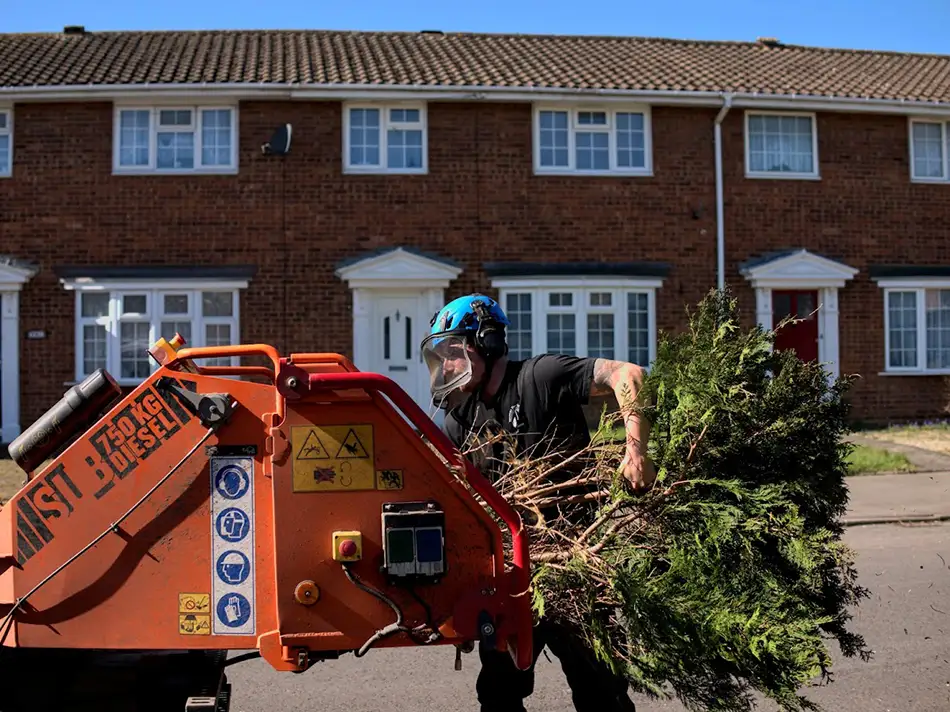
At Browns Tree Solutions, we plan work so it’s safe for people, trees, and wildlife, and that means two practical habits:
- Where possible, we encourage booking tree and hedge work outside the main nesting window, typically autumn and winter into late winter, so you’re not competing with nature’s busiest season.
- Before starting work, we check for signs of bird activity, and if there’s a credible risk that nesting is happening, we postpone and rearrange.
That does not mean essential safety work is ignored. It means it’s handled properly, and where specialist input is needed, it’s brought in.
Big Garden Birdwatch, what we can take from the results
You asked to build on the blog with Birdwatch results. One important clarity point first:
- The Birdwatch weekend has just happened (23–25 January 2026), but the national 2026 results will not be published immediately.
- The most recent fully published national dataset is Big Garden Birdwatch 2025. Here are a few useful takeaways from the latest published results:
- In 2025, 590,000+ people took part and recorded 9.1 million birds.
- The 2025 top birds included house sparrow and blue tit, with woodpigeon also high in the rankings.
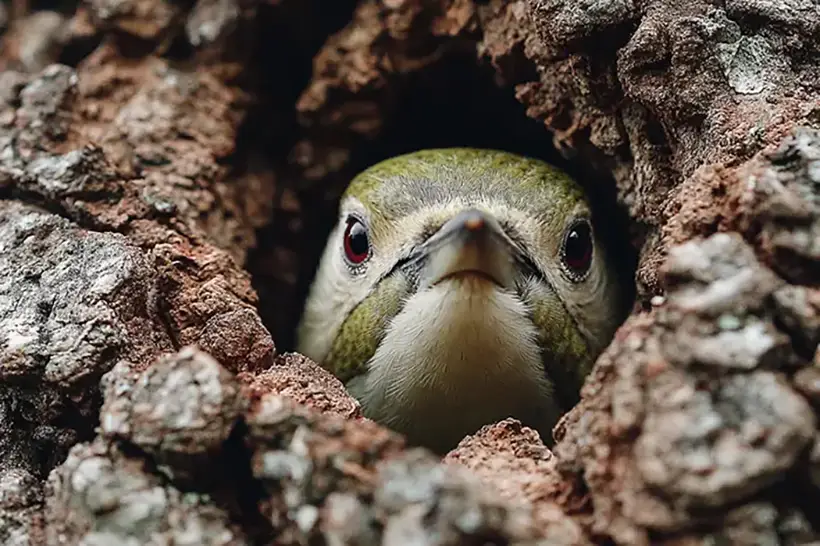
- The RSPB highlights long term declines in some familiar birds, for example song thrush sightings down by more than 83% since 1979, and falling down the rankings over time.
And one timely note for this year’s Birdwatch weekend: the news coverage ahead of the count flagged that cold weather can push more birds into UK gardens and parks, including winter visitors.
A simple plan for the weeks ahead
- Before March: if you’ve got tree pruning or hedge maintenance in mind, get it assessed and scheduled sensibly
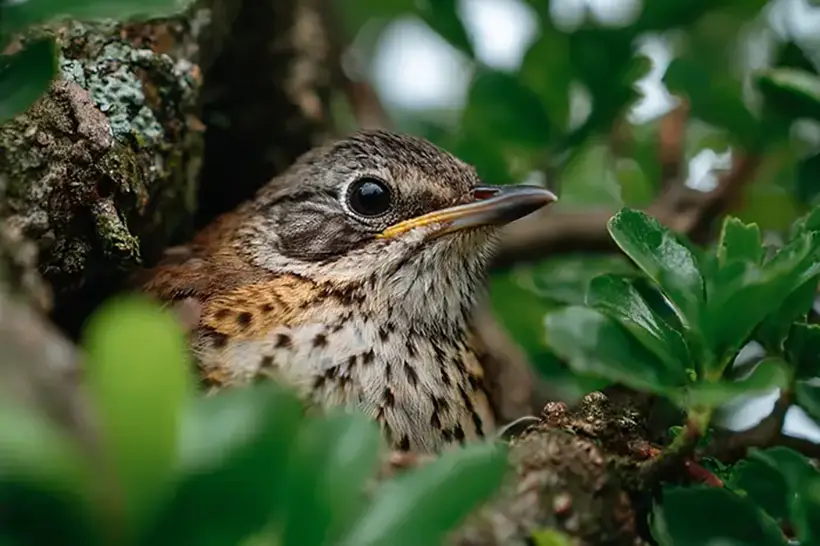
- All year: keep your garden a place wildlife can actually use, even small choices help, like leaving some habitat areas rather than making everything clinically tidy
Need advice on trees or hedges before nesting season ramps up?
If you’re unsure what should be done, or when, I’m happy to help you think it through properly.
You’ll get clear advice, a responsible plan, and work carried out with respect for your garden and the wildlife that depends on it.
And please, do join in with the RSPB Big Garden Birdwatch, it’s one of those rare things that’s genuinely simple and genuinely useful.
FAQs
When is bird nesting season in the UK?
In most areas, the busiest nesting period is typically March to August, although some species can start earlier in mild weather and some may nest later depending on conditions.
Does nesting season mean I cannot touch my trees or hedges at all?
Not automatically. The key issue is whether work could damage an active nest or protected eggs, or disturb certain protected species. A “blanket ban” is not how the law is written, but good timing and caution matter.
Is it illegal to cut a hedge during nesting season?
It can become illegal if cutting results in an offence, for example intentionally damaging or destroying an active nest, or eggs, or (for certain species) causing unlawful disturbance. There are also separate hedgerow cutting restrictions (1 March to 31 August) that apply in specific contexts, which can confuse things, so it’s best not to assume every garden hedge is treated the same way.
What exactly does the law protect?
In plain English, wild birds, their nests while in use or being built, and eggs are protected, and some species have additional protections around disturbance. The practical takeaway is simple: if there is credible nesting activity, do not proceed as normal.
What should I do if I suspect birds are nesting in my hedge, ivy, climbers, or shrubs?
Treat it as a reason to pause and take advice. The responsible approach is to avoid actions that could damage an active nest or eggs, and where there is uncertainty, get a professional assessment so you are making a decision based on evidence, not guesswork.
What if the tree is unsafe or there’s an urgent risk to people or property?
Safety matters, but it still needs handling properly. There are licensing routes in limited circumstances, and professionals can help you navigate what is appropriate and lawful without rushing into the wrong call.
When is the best time to schedule routine hedge maintenance or tree work?
Where possible, plan routine work outside the main nesting window, which usually means autumn and winter into late winter. It tends to reduce delays, avoid disruption to wildlife, and produce cleaner outcomes operationally.
Can Browns Tree Solutions advise on timing and risk before I book work?
Yes. If you are unsure what can be done now versus what is better scheduled, a professional assessment can give you a clear, responsible plan that protects people, trees, and wildlife.
Is this FAQ legal advice?
No, it’s general guidance to help householders understand the issue and make sensible decisions. For anything complex or high-risk, seek professional advice and refer to official guidance.