If a tree has sparse leaves, bare branches or sections of its crown that have not come into leaf by summer, it may be showing signs of tree dieback.
This doesn’t automatically mean the tree is dying, dangerous or needs to be removed. It does, however, suggest that the tree is under stress and should be inspected, particularly if dead branches are positioned above a house, road, footpath or neighbouring property.
Summer is one of the easiest times to spot changes in a tree’s condition. Most healthy deciduous trees should be in full leaf, making thinning areas and dead branches much more noticeable.
What does tree dieback mean?
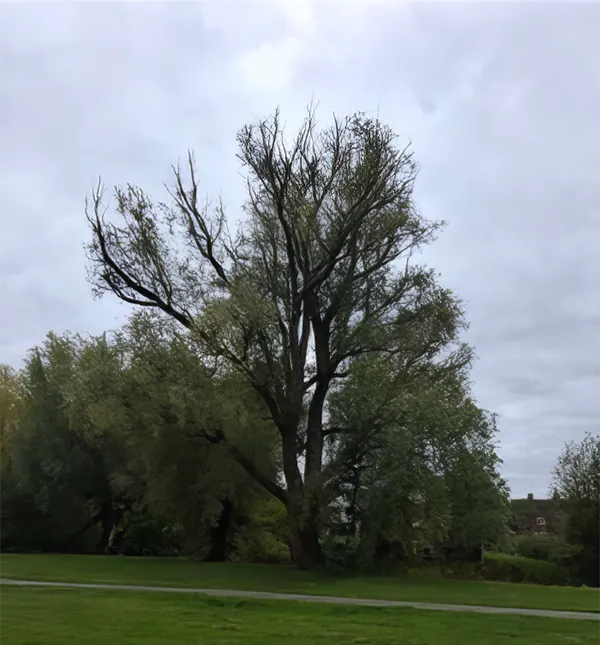
Tree dieback is the gradual death of shoots, twigs or branches. It often begins at the outer tips of a tree and progresses back towards the larger branches and/or trunk.
Dieback can affect:
- A small number of twigs
- One branch
- Several parts of the crown
- A large proportion of the tree
In more serious cases, widespread dieback can indicate that the whole tree is in decline.
Dieback is a symptom rather than one particular disease. This means it can have several possible causes, from drought and damaged roots to fungal infection or poor growing conditions.
Identifying the underlying cause is important because the right action will depend on what is affecting the tree.
Why it’s easier to spot in summer?
During winter, deciduous trees naturally lose their leaves. This makes it more difficult to tell the difference between healthy dormant branches and branches that have died.
By summer, the contrast should be much clearer.
A healthy tree will normally have a crown of leaves appropriate to its species, age and growing conditions. A tree may need closer attention if:
- Parts of the crown remain bare
- One side of the tree has noticeably fewer leaves
- The leaves appear unusually small or pale
- The crown looks much thinner than in previous years
- Leaves begin falling much earlier than expected
It can be useful to compare the tree with others of the same species nearby. Different tree species come into leaf at different times, so a late start in spring is not always a cause for concern. However, a significant lack of foliage by mid to late summer should not be ignored.
What are the common signs of tree dieback?
Sparse foliage is one of the clearest warning signs, but it is not the only symptom to look for. Other possible signs include:
- Bare twigs surrounded by healthy growth
- Dead branches at the top or edge of the crown
- Leaves that are smaller than usual
- Yellow, pale, brown or discoloured leaves
- Leaves falling early during summer
- Cracks, wounds or areas of missing bark
- Fungal growth around the trunk or roots
- Branches becoming progressively thinner each year
- New shoots growing from the trunk or lower branches
- Sections of bark that appear sunken or damaged
One symptom does not necessarily indicate a serious problem. Several changes appearing together provide a stronger reason to arrange a professional tree assessment.
What causes branches to die back?
Tree dieback can develop for many reasons.
Drought and heat
Long periods without enough water can leave a tree unable to support its full crown. The tree may shed leaves or allow smaller branches to die as it attempts to conserve resources.
The effects of drought are not always immediate. A tree may continue to decline months or even years after a particularly dry period.
Waterlogged soil
Too much water can be just as damaging as too little. Tree roots need oxygen as well as moisture. Prolonged waterlogging can prevent roots from functioning properly and may contribute to decay.
Root damage
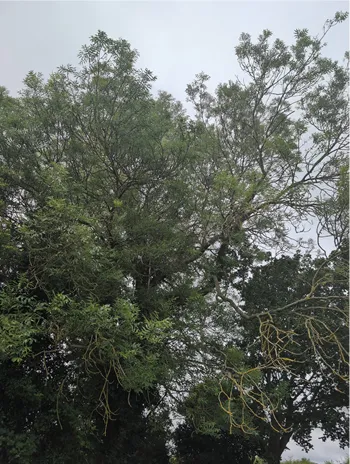
Healthy roots are essential to the stability and condition of a tree. Building work, excavation, new driveways, soil compaction and changes to the ground level can all damage or restrict roots. Visible dieback may not appear until some time after the original disturbance.
Pests and diseases
Certain insects, fungi and bacterial infections can damage leaves, bark, branches or roots. The symptoms can look similar to those caused by drought or root problems, which is why identifying the cause from foliage alone can be difficult.
Poor soil conditions
Compacted, contaminated or nutrient-poor soil can limit a tree’s access to water, oxygen and essential nutrients.
Physical damage or unsuitable pruning
Damage from machinery, storms or poorly executed pruning can expose the tree to infection and weaken its ability to recover. Removing too much of the crown can place a tree under further stress. Any pruning should be proportionate and based on the tree’s condition rather than carried out simply because some branches appear bare.
Natural ageing
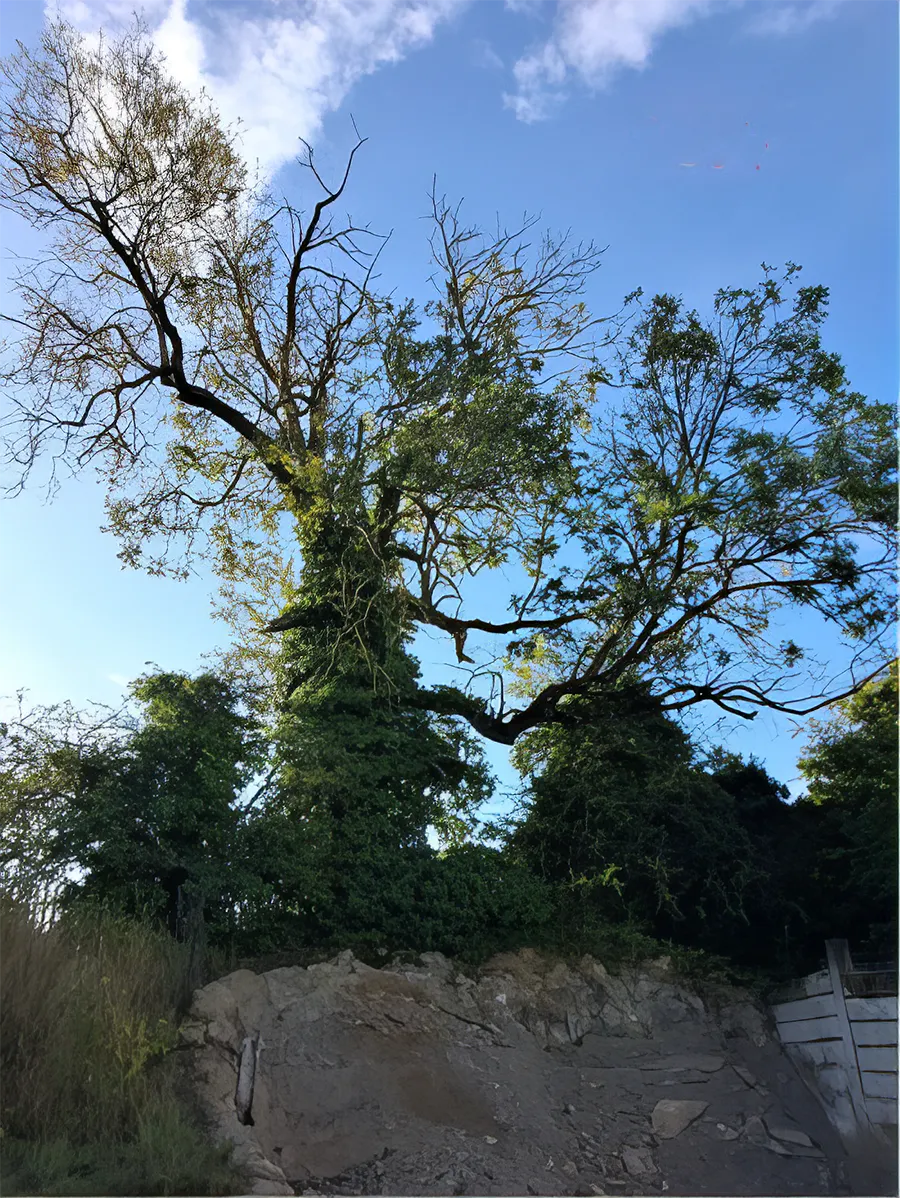
Mature and veteran trees may naturally reduce parts of their crowns as they age. This does not always mean the whole tree is failing. Older trees require careful assessment because they can provide significant environmental value even when they contain deadwood or hollow sections.
Arrange a professional tree assessment
If you have noticed sparse foliage, bare branches, early leaf loss or other changes in one of your trees, Browns Tree Solutions can inspect its condition, identify the likely cause and explain the most appropriate next step.
Our tree surgeons provide professional tree assessments, pruning and tree removal services across Milton Keynes, Buckinghamshire, Bedfordshire, Northamptonshire and Hertfordshire.
Contact Browns Tree Solutions to arrange a tree assessment and receive clear, practical advice based on the condition of your tree.
FAQs
Is tree dieback the same as ash dieback?
No. The terms are related but do not mean the same thing. Tree dieback is a general description of branches or shoots dying back. It can affect many different tree species and may have numerous causes.
Ash dieback is a specific fungal disease affecting ash trees. Its symptoms can include dying shoots, leaf loss, dark lesions on branches and a thinning crown.
A tree with dieback should not be assumed to have ash dieback simply because some branches are bare. The tree species, pattern of damage and other symptoms must all be considered before a diagnosis is made.
Can a tree recover from dieback?
Some trees can recover, particularly when the cause is identified early and the source of stress can be managed. Depending on the condition of the tree, the appropriate response may include:
- Monitoring changes in the crown
- Protecting the rooting area
- Reducing soil compaction
- Removing a limited amount of deadwood
- Carefully pruning damaged branches
- Improving the tree’s growing environment
- Treating a specific pest or disease where appropriate
Recovery depends on the tree species, age, condition and extent of the damage. Taking photographs from the same position each season can help you monitor whether the crown is recovering or becoming progressively thinner.
Does a tree with dieback need to be removed?
Not necessarily. Dieback alone does not mean a tree is unsafe. Some trees can be retained through monitoring, appropriate careful pruning or improvements to their surroundings. Tree removal may be recommended when:
- The tree has declined beyond a realistic chance of recovery
- Large branches have become structurally unsafe
- Significant decay affects the trunk or roots
- The tree presents an unacceptable risk to people or property
- A pest or disease cannot be managed safely
- The tree’s condition is expected to deteriorate rapidly
The decision should follow a professional inspection rather than being based on sparse leaves alone. It is also important to understand that dieback itself does not necessarily spread from one tree to another. However, some of the pests and diseases that cause dieback can affect nearby trees, making accurate identification important.
When should a tree be professionally inspected?
Arrange an assessment promptly if dieback affects a large part of the crown or dead branches are positioned above:
- A house or outbuilding
- A road or driveway
- A public footpath
- A parking area
- A garden seating area
- A school or workplace
- A neighbouring property
You should also seek professional advice if you notice:
- Cracks in the trunk or major branches
- Movement around the base of the tree
- Exposed or damaged roots
- Large areas of missing bark
- Fungal growth near the trunk
- Recently fallen branches
- A sudden and significant change in the crown
Avoid attempting to remove large branches yourself. Deadwood, hidden decay and uneven branch weight can make apparently straightforward tree work extremely dangerous.
What should you do if you notice sparse leaves?
Start by looking at the whole tree rather than one isolated branch. Consider whether there have been any recent changes around it, such as building work, digging, flooding, drought or damage to the ground beneath the crown.
Do not excavate around the roots, add soil around the trunk or cut large branches without professional advice. These actions can make the situation worse.
Spotting the warning signs early gives you more options. A professional assessment can help determine whether the tree needs monitoring, pruning, improvements to its surroundings or removal.
How much tree dieback is considered serious?
A small amount of deadwood may be normal, particularly in older trees. Dieback becomes more concerning when it affects several major branches, a large part of the crown or areas positioned above people or property. Can drought cause a tree to lose its leaves during summer?
Yes. Drought can cause leaves to wilt, discolour or fall early. Some trees reduce their foliage to conserve water, although similar symptoms can also be caused by root damage or disease.
Should dead branches always be removed?
Not always. Dead branches may provide habitat and can sometimes be retained where they do not create an unacceptable risk. Branches above roads, buildings or frequently used areas may need to be removed.
Is tree dieback contagious?
Dieback itself is not contagious because it is a symptom. However, some pests and diseases that cause dieback may spread between susceptible trees.
Can pruning stop tree dieback?
Pruning can remove dangerous or damaged branches, but it will not resolve every underlying cause. Excessive pruning may place the tree under additional stress, so the cause of the dieback should be assessed first.